Building a B2B Sales Platform with Shopify — No Dev Team Required
How West End Digital Turns Shopify Into a Full B2B Sales Platform — Not a T-Shirt Store
Most people still think of Shopify as a platform for T-shirts and coffee mugs. At West End Digital, we routinely prove otherwise. Over the past few years, we’ve transformed Shopify into something far more powerful for our clients: a frictionless, fully integrated sales system for highly technical B2B products — complete with compliance workflows, tax-exemption handling, quoting logic, and partial-shipment operations.
None of this required a dev team or a custom ERP.
We simply used the right tools — and built disciplined, scalable processes on top of them.
Here’s how we do it.
Why Shopify Works for More Than DTC
Many B2B companies still dismiss Shopify as “too simple” or “too consumer.” But under the hood, Shopify is one of the most flexible, stable, and ecosystem-rich platforms available. That’s exactly what makes it such a strong foundation for technical commerce.
Enterprise platforms often force you into rigid workflows or demand heavy custom development. Shopify, by contrast, gives us the building blocks:
-
A mature, reliable storefront
-
A robust API
-
A massive app and automation ecosystem
-
World-class hosting and uptime
With the right configuration, those same components can support:
-
Complex fulfillment
-
Purchase orders
-
Compliance documentation
-
Tax-exempt sales
-
Configurable products
-
Quoting flows
—all without forcing a consumer-style checkout experience.
For our clients, this flexibility is the entire point. They don’t need a flashy storefront. They need a backend that integrates cleanly with operations, finance, and fulfillment—something that grows with the business instead of fighting it. Shopify is that platform.
The Type of Companies We Serve — and Why Their Needs Are Complex
West End Digital specializes in helping technical manufacturers and industrial suppliers modernize their sales infrastructure. These companies are rarely selling mass-produced consumer items. They offer highly specialized products with strict compliance requirements, variable configuration, or multi-step fulfillment workflows.
Think of industries like:
-
Laser safety and PPE
-
Industrial hardware
-
Specialized equipment
-
Custom manufacturing
-
Regulated or certified products
-
Made-to-order goods with technical specifications
Their catalogs are not plug-and-play. A single product may involve:
-
Wavelength-specific specifications
-
Optical density or performance ratings
-
Required certification paperwork
-
Multi-item or partial fulfillment
-
Tax-exempt procurement processes
-
Customers requesting quotes before ordering
This is technical selling — and it demands infrastructure that can keep up.
How We Transform Shopify Into a Complete B2B Sales System
Instead of forcing Shopify to act like an ERP, we build a clean workflow around it. The core system architecture we implement typically looks like this:
Shopify
Becomes the single source of truth for product data, online ordering, and customer information. It is the universal interface end users already understand.
Zapier
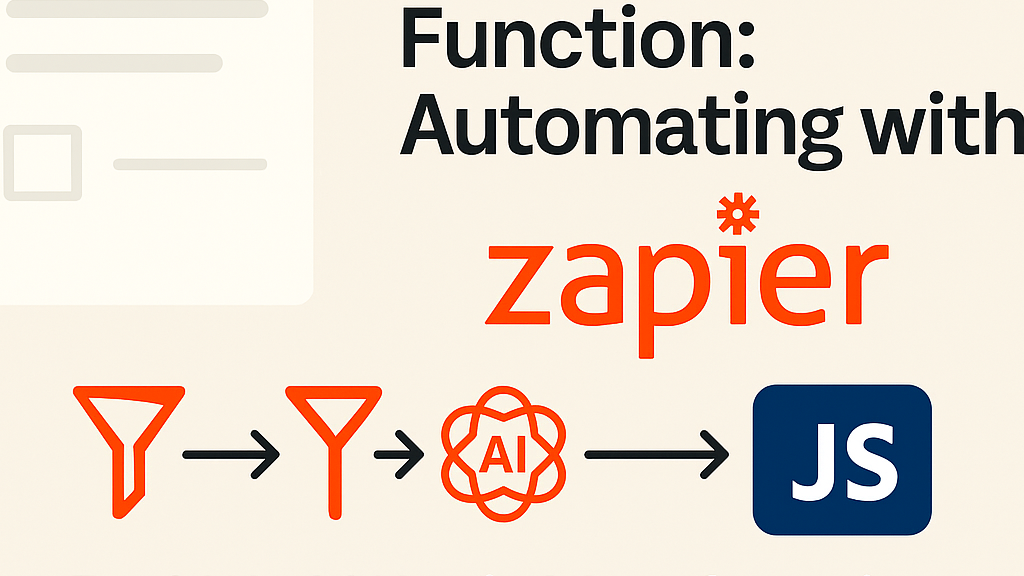
The connective tissue. We build automations that move data between Shopify, QuickBooks Online, ShipStation, and internal systems — including logic for tax exemptions, compliance docs, quotes, and partial shipments.
QuickBooks Online (QBO)
Where quotes and invoices live. Many technical teams prefer QBO’s quoting interface for complex terms, so we integrate it into the sales workflow instead of replacing it.
ShipStation
Manages fulfillment: split shipments, backorders, confirmations, and delivery updates — all synced cleanly back into Shopify.
What This Enables for Technical Companies
With this setup, our clients can:
-
Generate quotes directly in QBO while keeping Shopify as the catalog
-
Accept tax-exempt orders with automated validation
-
Produce compliance documents on demand
-
Support partial shipments with automated customer notifications
-
Maintain a clean operational workflow without custom engineering
It delivers everything a B2B sales platform needs — without building a B2B platform from scratch.
What Happens After We Implement It
Technical companies typically see immediate impact once the friction is removed from both the customer journey and internal workflows:
-
Revenue growth accelerates because the buying experience becomes straightforward
-
Operational workload decreases even as order volume grows
-
SEO improvements translate directly into quotes and sales thanks to well-structured, consistently presented product data
-
Sales teams become more efficient because quoting and documentation flows finally make sense
In several cases, clients have doubled their revenue after implementation — without doubling headcount.
Why This Matters for Other Technical Sellers
You don’t need a custom ERP to behave like one.
You don’t need Salesforce CPQ to quote.
You don’t need an engineering team to build infrastructure.
You need a stable platform — and someone who understands both your product and the operational reality behind it.
That’s where West End Digital comes in.
For technical businesses, Shopify becomes more than an e-commerce platform. It becomes a universal interface your buyers already know how to use — one that can be adapted to even the most complex sales environments.
Closing
The playbook isn't secret — it’s just underutilized.
If you sell technical or industrial products and want a system that scales, works cleanly, and eliminates operational chaos, start with tools that are stable, supported, and flexible. Then build the glue between them.
That’s what we do at West End Digital.
And it works.